close-up-fuel-level-gauge-vehicle

Battery Light On? Alternator vs Battery vs Bad Grounds (How Shops Confirm the Real Cause)

If you’ve ever been driving in Alexandria, VA, and suddenly noticed that pesky battery light illuminating your dashboard, you’re not alone. It’s one of those moments that sends a little shiver down your spine. Is it the alternator? The battery? Or could it be something as simple as a bad ground connection? In this guide, we’ll unravel the mystery behind that battery light and help you understand how professionals at places like Telegraph Auto Care diagnose and fix these issues.

Understanding the Battery Light on Your Dashboard

What the Battery Light Signals

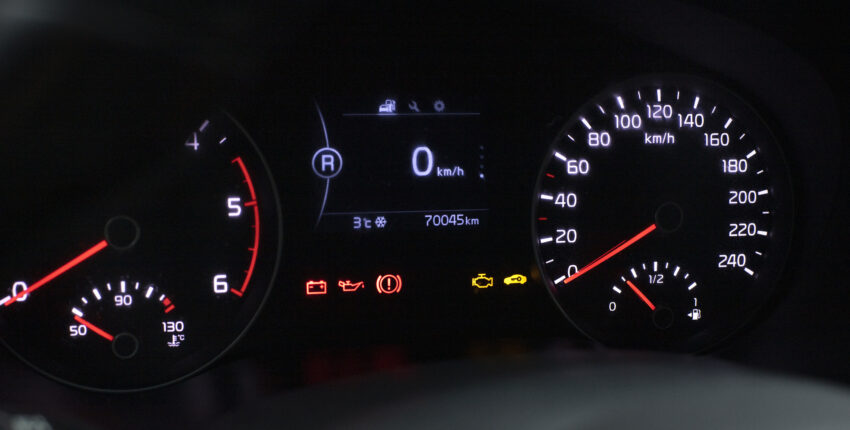
The battery light on your dashboard is more than just a decorative feature. It’s a critical warning that something in your vehicle’s electrical system needs attention. Typically, it indicates that the battery isn’t charging properly. This could be due to several factors, including issues with the alternator, the battery itself, or the electrical connections.

Imagine you’re driving at night, and suddenly your dashboard lights begin to dim, and the battery light flickers on. This scenario illustrates how the light serves as an early warning system, alerting you to a potential loss of electrical power. You might get home safely this time, but ignoring it could leave you stranded in the future.

Common Misconceptions About the Battery Light

It’s easy to jump to conclusions when the battery light flickers on. Some drivers assume it must be the battery’s fault, while others are quick to blame the alternator. In reality, it’s not always so straightforward. Understanding the root cause requires a bit of detective work.

For instance, many assume replacing the battery will solve the issue, but without checking the alternator or ground connections, you could be addressing only part of the problem.

The Role of the Alternator

How the Alternator Works

The alternator is a crucial component of your car’s charging system. It converts mechanical energy into electrical energy, keeping your battery charged and powering the electrical systems while the engine is running. Without a functioning alternator, your car won’t get far.

Think of the alternator as a mini power plant. As you drive through Alexandria, the alternator ensures that all electrical components, from the headlights to the air conditioning, function correctly. This conversion process is vital, especially for modern vehicles laden with electronic devices.

Alternator Symptoms to Watch For

If the alternator is on the fritz, you might notice symptoms like dim headlights at idle or a new battery that keeps dying. These are telltale signs that the alternator isn’t supplying enough power. If you experience these issues, it’s time to consider an alternator replacement in Alexandria, VA.

To avoid costly replacements, consider preventive maintenance like checking the alternator belt for wear and tear. A worn belt can slip, leading to insufficient power output.

Evaluating the Battery’s Health

Signs of a Failing Battery

Batteries don’t last forever. Over time, they can lose their ability to hold a charge. If your car struggles to start or the battery light stays on even after replacing the alternator, the battery might be the culprit.

For example, if you notice your car struggling to start on a cold Alexandria morning, it might be a sign that the battery is on its last legs. Cold weather can exacerbate battery issues, reducing its ability to hold a charge. 

How to Test Your Battery

Testing a battery is relatively straightforward. Many auto parts stores in Alexandria offer free battery testing. A professional can determine if your battery is still healthy or if it’s time for a replacement.

Regular battery maintenance, such as cleaning corrosion from terminals and ensuring tight connections, can extend its life. Keeping an eye on these small details can prevent unexpected failures and extend the life of your battery.

Troubleshooting Bad Grounds

Understanding Bad Ground Symptoms

A bad ground connection can mimic many symptoms of a failing alternator or battery. If the grounding is poor, your vehicle’s electrical system may not function properly. Symptoms include flickering lights, intermittent electrical issues, and the battery light coming on.

Imagine driving on a rainy day and suddenly experiencing intermittent windshield wiper function. This could be due to a bad ground connection. Such issues can be frustrating and dangerous, highlighting the importance of addressing ground problems promptly.

Performing a Voltage Drop Test

One effective method to diagnose a bad ground is a voltage drop test. This test helps identify any resistance in the electrical circuit due to poor connections. It’s a useful tool for mechanics to confirm whether a bad ground is to blame.

Preventive maintenance involves ensuring all ground connections are clean and secure. Regularly inspecting these connections can prevent electrical issues and save you from a potentially costly repair bill. 

How Professionals Diagnose the Issue

Step-by-Step Diagnostic Process

At Telegraph Auto Care, our experts use a systematic approach to diagnose the problem. They’ll start by checking the battery, alternator, and ground connections. Using specialized equipment, they can pinpoint the exact cause of the issue.

This thorough examination often involves checking the voltage output of the alternator and using diagnostic tools to test the battery’s condition. By doing so, we ensure that every aspect of the electrical system is functioning as it should, preventing unnecessary repairs and ensuring your safety.

Why a Professional Diagnosis Matters

While some might attempt to diagnose the problem themselves, a professional has the training and tools to accurately identify the cause. This ensures that you won’t replace parts unnecessarily, saving you time and money.

Consider the peace of mind knowing that your vehicle is in expert hands. Professionals can often spot issues you might overlook, such as subtle signs of wear on the alternator belt or minor corrosion on battery terminals, which can lead to larger problems if left unattended.

Preventative Measures to Avoid Future Issues

Regular Maintenance Tips

To keep your vehicle’s electrical system in top shape, regular maintenance is key. This includes checking the battery terminals for corrosion, ensuring the alternator belt is in good condition, and having routine inspections at your local auto shop.

Regular check-ups can detect potential issues early, preventing costly repairs down the line. 

Seasonal Considerations

In Alexandria, VA, seasonal changes can affect your car’s electrical system. Cold weather can be tough on batteries, while hot weather can exacerbate any existing issues. Being mindful of these factors can help you avoid unexpected breakdowns.

During the winter months, consider investing in a battery warmer to maintain optimal performance. In the summer, routinely check fluid levels to prevent overheating. These small steps can significantly extend the lifespan of your vehicle’s electrical components.

If you find yourself with a battery light on and aren’t sure whether it’s the alternator, battery, or a bad ground, don’t guess—let the professionals handle it. Reach out to Telegraph Auto Care in Alexandria, VA, where our team is ready to diagnose and resolve any electrical issues your car may have. Trust us to keep your vehicle running smoothly, so you can enjoy your drives worry-free.


auto-repair-master-background-with-selective-focus-copy-space-ai-generated-human-enhanced_191066-22426.jpg

Power Windows & Door Locks Not Working: Fuses, Switches, Actuators, or Regulators?

We’ve all been there: you’re in a rush, trying to roll up your window or lock your door, and suddenly nothing happens. It’s frustrating, especially if you’re dealing with Alexandria’s unpredictable weather. Power windows and door locks are conveniences we often take for granted until they stop working. In this guide, we’ll explore common causes for these issues and how you can identify them in your vehicle.


Understanding the Basics of Power Windows and Door Locks


To start, let’s dive into how power windows and door locks work. Most modern vehicles use an electrical system to operate these features. This system includes switches, motors, and wiring, all powered by your car’s battery. When something goes wrong, it’s usually one of these components.


The Role of Electrical Systems


The electrical system is the heart of your car’s convenience features. For power windows, the system includes a motor and regulator inside the door. For door locks, an actuator controls the locking mechanism. Understanding these basics helps in diagnosing issues when things go awry. 


Imagine a scenario where you’re late for a meeting, and the rain is pouring down. You press the button to roll up your window, but nothing happens. This could be due to a failure in the electrical system, such as a broken wire or a failed motor, highlighting the system’s critical role in everyday convenience.


Common Symptoms of Problems


Recognizing the symptoms of a malfunctioning system can save you time and money. Is your window making a grinding noise? Does your door lock click but not engage? These are signs that something’s off. Let’s delve deeper into what might be causing these issues. 


For instance, if your window descends slowly or gets stuck halfway, it might be a sign of a failing regulator. Similarly, a persistent clicking sound from the door lock might indicate a struggling actuator.


The Fuses: Your First Checkpoint


Before you panic or head to the repair shop, check the fuses. They are often the simplest and cheapest fix for electrical issues.


Blown Fuse Symptoms in Cars


If a fuse is blown, you might notice that neither the power windows nor the door locks are functioning. A blown fuse cuts off electrical power to the system, rendering it inactive. It’s a quick check and an easy fix if this is the culprit.


Picture a day when both your windows and locks stop working simultaneously. This could be a strong indicator of a blown fuse, given that both systems are connected to the same electrical circuit.


Replacing a Fuse: A Quick Guide


Replacing a fuse is a straightforward process. Locate your car’s fuse box, usually found under the dashboard or in the engine compartment. Identify the faulty fuse using a diagram and simply replace it with a new one of the same amperage. 


Switches: More Than Just Buttons


Switches in your car do more than you might think. They are the interface between you and the electrical system, signaling the motor to engage.


Faulty Switch Indicators


When a switch is faulty, pressing it may result in no response from the window or lock. Sometimes, wiggling the switch can temporarily solve the problem, indicating a poor connection. However, this is not a permanent fix and should be addressed.


Consider a time when your window switch feels loose or requires extra pressure to function. This could suggest a worn-out internal mechanism or a loose connection, both of which are common in older vehicles.


Repair or Replace: What’s the Best Option?


Deciding whether to repair or replace a switch depends on the severity of the issue. If the switch is merely dirty or slightly corroded, cleaning it might suffice. However, if the internal components are damaged, replacement is the best route.


Door Lock Actuators: The Muscle Behind the Mechanism


The actuator is the component that physically locks and unlocks your doors. When it fails, you might hear clicking, but the lock won’t engage.


Car Door Lock Actuator Symptoms


Symptoms of a failing actuator include doors that won’t lock or unlock with the remote or central switch, or locks that seem to struggle or make unusual noises. These signs indicate that the actuator’s motor or gears might be worn out.


Imagine trying to secure your vehicle in a busy parking lot, only to find out that one of the doors won’t lock. This scenario underscores the importance of a functional actuator for vehicle security.


Fixing the Actuator


Replacing a door lock actuator can be a bit more complex, but is doable for those who are handy with tools. It involves removing the door panel and disconnecting the actuator from the lock mechanism.


Window Regulators: Keeping Windows on Track


The window regulator is what moves your window up and down. It’s connected to the motor and can wear out over time.


Recognizing Window Regulator Symptoms


If your window falls into the door or moves crookedly, the regulator is likely the issue. Grinding noises or slow window movement are also tell-tale signs.


Consider a scenario on a hot day when you attempt to roll down the window for some fresh air, only to have it stuck halfway. Such situations highlight the inconvenience of a faulty regulator.


Repairing Window Regulators


Repairing a window regulator involves removing the door panel and replacing the faulty part. It’s a moderately difficult task that might be best left to professionals if you’re unsure.


When the Key Fob Stops Working


A non-responsive key fob can be a major inconvenience. It might not always be the fob itself, but an issue with the car’s receiver or battery.


Key Fob Not Working: Initial Checks


First, check the battery in the key fob. If it’s dead, the fob won’t work. If the battery is fine, the issue might be with the car’s receiver, which will need expert attention.


Imagine a day when you’re rushing to get into your car, but the key fob fails to unlock the doors. Checking the battery first can save you a lot of trouble and ensure you’re not stranded.


Reprogramming or Replacing the Key Fob


Sometimes, reprogramming the key fob is necessary if it has lost its connection to the vehicle. If reprogramming doesn’t work, replacement might be the only solution.


The Body Control Module: The Brain Behind the Buttons


The Body Control Module (BCM) is a complex component that controls many of the car’s electronic features, including windows and door locks.


Identifying Body Control Module Symptoms


Symptoms of a faulty BCM can include erratic behavior of windows and locks, as well as issues with other electronic features. If multiple systems are acting up, the BCM might be to blame.


Consider a situation where both your windows and locks behave unpredictably. This could point to a malfunctioning BCM, affecting multiple systems simultaneously.


Repairing or Replacing the BCM


Diagnosing and replacing a BCM is not a DIY task. It requires specialized equipment and knowledge, so it’s best handled by professionals, like those at Telegraph Auto Care in Alexandria, VA.


Taking care of your car’s electrical system is crucial for maintaining its convenience features. If you’re facing issues with power windows or door locks, consider the possibilities we’ve discussed. For expert diagnosis and repair, contact Telegraph Auto Care in Alexandria, VA. Our team is ready to help you get your car back to peak condition.


mechanic explaining car issues to a customer

Virginia State Inspection & Emissions Prep: Readiness Monitors, Drive Cycles, and Common Fail Points

Owning a vehicle in Virginia means navigating the dual requirements of state inspections and emissions tests to keep your car roadworthy and environmentally friendly. For many drivers in Alexandria, VA, understanding and preparing for these tests can be daunting. However, with the right knowledge and a few practical steps, you can ensure your vehicle passes with flying colors. In this guide, we’ll explore the intricacies of Virginia state inspections, emissions tests, and how you can avoid common pitfalls.

Understanding Virginia State Inspection Requirements

Every year, vehicles in Virginia must undergo a state inspection to ensure they meet safety and emissions standards. This process is crucial for keeping our roads safe and air quality high.

The Virginia State Inspection Checklist

When you bring your car in for a state inspection in Alexandria, VA, the technician will go through a comprehensive checklist. This checklist includes:

Brakes and Suspension: Ensuring your brakes and suspension are in top condition is vital for safety. Technicians will inspect brake pads, rotors, and suspension components for wear and damage. For example, if you frequently drive in hilly areas, your brakes might wear out faster due to more frequent use. 

Lights and Signals: All lights, including headlights, taillights, and turn signals, must be operational. This ensures you can see and be seen by other drivers. A practical scenario is getting stuck in a sudden thunderstorm at night with faulty headlights, making it difficult to navigate safely. 

Tires and Wheels: Proper tire tread depth and wheel alignment are checked to ensure stability and traction on the road. Tires with low tread can be especially dangerous during rain, increasing the risk of hydroplaning. A simple way to check tread depth is with a penny: insert it into the tread, and if you can see Lincoln’s head, it’s time for new tires. 

Exhaust System: An efficient exhaust system is crucial for reducing emissions. Any leaks or damage need to be addressed. Imagine your car failing emissions due to a small exhaust leak, leading to unnecessary repair costs. 

Common Inspection Failure Items

Understanding what can cause a vehicle to fail inspection can save you time and headaches. Some common failure items include:

Worn-out Wipers: Ineffective wipers can impair visibility, especially during adverse weather. Replacing wipers is a quick and affordable fix. Regularly replacing them every six months can ensure clear visibility.

Cracked Windshield: A damaged windshield can obstruct the driver’s view and is often a reason for failure. If you notice a small chip, it’s wise to repair it promptly, as it can expand in extreme temperatures. 

Faulty Horn: A non-functioning horn can prevent you from warning other drivers of potential hazards. A malfunctioning horn could be a wiring issue or a simple fuse replacement. Regularly checking your horn can avoid safety risks and inspection failures.

Navigating the Virginia Emissions Test

Alongside the safety inspection, vehicles in certain areas of Virginia, including Alexandria, must pass an emissions test. This test ensures that your vehicle is not contributing excessively to air pollution.

The Role of OBD Readiness Monitors

Modern vehicles use On-Board Diagnostics (OBD) systems to track and report emissions-related performance. OBD readiness monitors are essential for passing the emissions test. These monitors check various systems and sensors for proper operation.

How Readiness Monitors Work: These monitors assess key systems like the catalytic converter and oxygen sensors. If the systems are not “ready,” your vehicle may not pass the emissions test. For instance, if you’ve recently disconnected the battery, the monitors may reset, requiring a drive cycle to set them again.

Common Issues with Readiness Monitors: Sometimes, a recent battery disconnect or repairs can reset the monitors, requiring you to complete a drive cycle to set them back to “ready.” This can be frustrating, especially if you’re unaware and fail the emissions test. 

Completing a Drive Cycle for Emissions

A drive cycle is a series of specific driving patterns that help the OBD system reset its readiness monitors. Completing a drive cycle is crucial if your vehicle’s monitors are not set.

Typical Drive Cycle Steps: A typical drive cycle includes a mix of idling, acceleration, and steady-speed driving. It may take several cycles for all monitors to reset. For example, a typical cycle might involve driving at 55 mph for 15 minutes, then idling for 3 minutes. Understanding and following these patterns can prevent unnecessary emissions test failures.

Tips for Successful Drive Cycles: Ensure your vehicle is fully warmed up before starting a drive cycle. Avoid disruptions like heavy traffic that can interfere with the process. Planning your route during less busy hours can make this easier.

Avoiding the Dreaded Check Engine Light

One of the most common reasons vehicles fail emissions tests is the check engine light. While it may seem like a minor inconvenience, it can indicate significant issues.

Common Causes for Check Engine Light Failures

Loose Gas Cap: A simple but common issue that can trigger the check engine light. Tightening the gas cap is often enough to resolve this, avoiding unnecessary diagnostic costs.

Faulty Sensors: Oxygen sensors and mass airflow sensors are frequent culprits. A faulty oxygen sensor can lead to poor fuel economy, costing you more at the pump. 

Catalytic Converter Problems: Essential for reducing harmful emissions, any issues with the catalytic converter need immediate attention. Replacing a catalytic converter can be expensive. Regular maintenance can help catch issues early, saving you from costly repairs.

Addressing Check Engine Light Issues

Diagnostic Testing: A professional diagnostic test can pinpoint the exact issue causing the check engine light. This can save you money by targeting only necessary repairs.

Timely Repairs: Addressing problems promptly can prevent further damage and ensure your vehicle passes its emissions test. Ignoring a minor issue can lead to more serious problems, costing you more in the long run.

Seasonal Tips for Inspection and Emissions Success

Different seasons in Virginia can affect your vehicle’s performance and readiness for inspection.

Preparing for Winter Inspections

Winter weather can impact vehicle components, so it’s wise to:

Check Fluids: Ensure antifreeze and windshield washer fluid levels are adequate. This can prevent freezing and ensure visibility, avoiding potential safety hazards.

Battery Health: Cold weather can strain your battery, so have it tested before inspection.

Summer Vehicle Checkups

The heat of summer can also present challenges:

Cooling System: Ensure your cooling system is functioning well to prevent overheating. Overheating can cause engine damage, leading to expensive repairs.

Tire Pressure: Heat can cause tire pressure to rise, so regular checks are essential. Properly inflated tires improve fuel efficiency and prevent blowouts.

Practical Examples from Alexandria, VA

Living in Alexandria, VA, presents unique challenges and advantages when preparing for vehicle inspections.

Local Weather Impact

The varied climate in Alexandria means your vehicle experiences diverse conditions throughout the year. Regular maintenance tailored to these changes can prevent inspection failures. For instance, the humidity in summer can affect electrical systems, while road salt in winter can corrode components.

Finding Reliable Services

Choosing a reputable service like Telegraph Auto Care can make all the difference. They understand local conditions and have the expertise to ensure your vehicle is inspection-ready. Their knowledge of local regulations and weather conditions makes them a reliable partner in maintaining your vehicle’s health.

Your Next Steps with Telegraph Auto Care

Navigating the complexities of Virginia state inspections and emissions tests doesn’t have to be overwhelming. With the right preparation and expert help, you can keep your car in top shape and on the road. If you’re in Alexandria, VA, and need assistance with your state inspection or emissions test, contact Telegraph Auto Care

Our experienced team is ready to ensure your vehicle meets all requirements and keeps you driving safely. Let us help you maintain your vehicle’s health and avoid the stress of unexpected failures.

repairman inspecting underside of a car

EVAP Leaks & Gas Caps: Why “Small” Emissions Issues Trigger Big Headaches

Owning a vehicle comes with its fair share of responsibilities, from routine maintenance to unexpected repairs. One area of car maintenance that often gets overlooked, yet can cause significant headaches, is the vehicle’s emissions system. Specifically, EVAP system leaks and the often-overlooked gas cap can trigger major issues. 

If you’re a vehicle owner in Alexandria, VA, understanding these seemingly minor problems can save you from major headaches down the line. In this post, we’ll explore what EVAP leaks are, why they matter, and how a simple loose gas cap can cause a world of trouble.

Understanding the EVAP System

The Evaporative Emission Control (EVAP) system is a crucial component in your vehicle’s emissions control. It prevents fuel vapors from escaping into the atmosphere, thus reducing pollution. But how does it work, and why is it so important?

What is the EVAP System?

The EVAP system captures fuel vapors from the fuel tank and stores them in a charcoal canister. These vapors are later routed back into the engine to be burned. This process not only helps reduce emissions but also improves fuel efficiency. For instance, when you refuel your car, the EVAP system ensures that the vapors created by the gasoline do not escape into the air, which can be both wasteful and harmful to the environment.

Key Components of the EVAP System

  1. Charcoal Canister: This stores the fuel vapors until they can be used by the engine. It’s like a sponge that absorbs vapor until it’s needed, preventing it from contributing to smog and pollution.
  2. Purge Valve: This valve controls when the vapors are released into the engine. Imagine it as a gatekeeper, ensuring vapors enter the engine at the right time, preventing issues like rough idling.
  3. Vent Valve: This allows fresh air to enter the canister to purge the vapors. This component helps maintain the balance of pressure within the system, ensuring optimal performance.

Why the EVAP System Matters

Without a properly functioning EVAP system, your car can release harmful pollutants into the atmosphere. Moreover, a faulty system can lead to decreased fuel efficiency and performance issues. In some cases, it can even cause your car to fail emissions tests, which are required in many states, including Virginia. This can result in fines or even prevent you from registering your vehicle. Therefore, understanding and maintaining your EVAP system is not only environmentally responsible but also a cost-effective measure for vehicle ownership.

Common EVAP System Problems

Given the importance of the EVAP system, it’s essential to recognize the symptoms of potential issues. Here are some common problems that vehicle owners in Alexandria, VA might face.

EVAP System Leak Symptoms

A leak in the EVAP system can manifest in several ways:

Check Engine Light: One of the most common indicators. Codes like P0455, P0442, and P0456 are often linked to EVAP leaks. These codes can be read using an OBD-II scanner, which is a valuable tool for diagnosing vehicle issues.

Fuel Smell: If you notice a strong fuel odor around your vehicle, it could be due to a leak in the EVAP system. This is often noticeable in enclosed areas like garages, where the scent can become more concentrated.

Poor Fuel Economy: A leak can lead to wasted fuel, affecting your car’s efficiency. You might notice that you’re filling up more often despite driving the same distance, which can be a costly inconvenience.

Loose Gas Cap Check Engine Light

Believe it or not, a simple loose gas cap can trigger the check engine light. This is because the gas cap is part of the EVAP system. If it’s not sealed properly, fuel vapors can escape, causing the system to detect a leak. This is a common issue that can be easily overlooked but has a simple fix.

Purge Valve Symptoms

A malfunctioning purge valve can lead to:

Rough Idling: The engine might run roughly due to incorrect vapor purging. This can often feel like the car is vibrating more than usual when stopped at a light.

Difficulty Starting: In some cases, a faulty purge valve can make it hard to start the engine. This can be particularly problematic in colder weather when cars already struggle to start.

Diagnosing EVAP Leaks

If you suspect an EVAP leak, there are a few diagnostic methods that can help pinpoint the issue.

Using an OBD-II Scanner

Modern vehicles are equipped with an OBD-II port that can be used to read diagnostic trouble codes. Codes such as P0455, P0442, and P0456 can provide clues about the nature of the leak. Investing in an OBD-II scanner can save you from unnecessary trips to the mechanic and give you a clearer idea of what might be wrong with your vehicle.

EVAP Leak Smoke Test

A smoke test is a more hands-on approach. This involves introducing smoke into the EVAP system to visually detect leaks. It’s a highly effective method but usually requires professional equipment and expertise. This test can cost anywhere from $60 to $150, depending on your location and the complexity of the issue.

Addressing EVAP System Issues

Once you’ve identified an issue with the EVAP system, it’s time to address it. Here are some steps you can take.

Tightening or Replacing the Gas Cap

If a loose gas cap is the culprit, simply tightening it can solve the problem. However, if the cap is damaged or worn out, replacing it is a wise choice. Gas caps are relatively inexpensive, usually costing between $10 and $30, making them an easy and affordable fix.

Inspecting the Purge and Vent Valves

These valves are critical to the EVAP system’s operation. If they’re faulty, replacing them might be necessary. It’s best to consult with an automotive professional to ensure proper diagnosis and repair. This repair can range from $150 to $300, depending on parts and labor.

Seeking Professional Help

For more complex issues, visiting a qualified mechanic is advisable. They have the tools and expertise to perform thorough diagnostics and repairs. If you’re in Alexandria, VA, consider reaching out to Telegraph Auto Care for professional assistance. Their experienced professionals can guide you through the repair process and ensure your vehicle is functioning optimally.

Preventive Measures for Vehicle Owners

Preventing EVAP system issues is always better than dealing with them after the fact. Here are some tips to keep your emissions system in top shape.

Regularly Check the Gas Cap

Make it a habit to check your gas cap every time you fill up. Ensure it’s tight and in good condition to prevent potential leaks. This simple practice can prevent unnecessary check engine lights and keep your EVAP system in good working order.

Schedule Routine Inspections

Regular vehicle inspections can catch potential issues before they become major problems. Your mechanic can perform tests to ensure the EVAP system is functioning correctly. Consider incorporating these inspections into your regular maintenance schedule to avoid unexpected surprises.

Be Aware of Seasonal Changes

Extreme temperatures, common in Virginia, can affect your vehicle’s components. During summer, the heat can cause the gas cap to expand, while winter can lead to it contracting. Keep an eye on these seasonal changes and adjust accordingly. This awareness can help prevent issues related to the EVAP system and ensure your vehicle runs smoothly year-round.

The Real Impact of Ignoring EVAP Issues

Ignoring EVAP system problems can lead to a cascade of issues, from environmental harm to costly repairs. More importantly, it can result in your vehicle failing emissions tests, leading to fines or registration issues. Repairing more extensive damage caused by neglect can easily cost hundreds or even thousands of dollars, depending on the severity.

If you’re experiencing any symptoms of an EVAP leak or other emissions-related problems, don’t wait. Contact Telegraph Auto Care in Alexandria, VA, to ensure your vehicle runs smoothly and remains compliant with emissions regulations. Taking proactive steps now can save you from headaches and expenses in the future. Call us today. 

man-calls-phone-number-talk-mechanic-car-broke-down-roadside-garden-concept-fix-help-problem-repair-blurred-background

How Exhaust Service Improves Your Vehicle’s Performance and Efficiency

Most drivers think about oil changes, tire rotations, and brake services when it comes to maintaining a reliable vehicle. Yet there is one part of your car that plays a surprisingly important role in power, fuel economy, and everyday drivability: the exhaust system. It is more than a muffler under your car. It is a carefully engineered series of pipes, sensors, and components designed to guide exhaust gases safely out of the engine, reduce harmful emissions, and help your engine run at its best.

Keeping this system in good condition can make your entire vehicle feel smoother, quicker, and more efficient. That is why regular exhaust service matters. And if you are in Alexandria, VA, Telegraph Auto Care is one of the best places to have this important work done thanks to their certified technicians, upfront pricing, and customer-first approach.

This guide walks you through how the exhaust system works, why maintenance is essential, what signs of problems to watch for, and how professional service can improve performance, fuel efficiency, and long-term reliability.

man-calls-phone-number-talk-mechanic-car-broke-down-roadside-garden-concept-fix-help-problem-repair-blurred-background

Why Your Exhaust System Matters More Than You Think

When most people hear the word “exhaust,” they picture loud mufflers or clouds of emissions. The truth is, the exhaust system performs several important functions that directly affect how your vehicle drives.

It reduces engine noise. It directs harmful gases away from you and your passengers. It helps reduce pollution by working with your catalytic converter. Most importantly, it helps maintain the correct balance of air flow in the engine so your vehicle can run smoothly.

Modern engines rely on accurate oxygen readings, proper back pressure, and efficient gas flow. If any part of the exhaust system starts to fail, these factors can be thrown off, leading to sluggish acceleration, increased fuel consumption, and even engine damage over time.

Your exhaust system is not just a safety component. It is a performance component too.

What Makes the Exhaust System So Important?

The best way to understand the value of exhaust service is to take a look at the components that work together to move exhaust gases from the engine to the tailpipe.

Exhaust manifold

This part collects hot gases as soon as they leave the engine’s cylinders. Cracks or leaks here can cause loud noise, reduced engine performance, and poor fuel economy.

Catalytic converter

The catalytic converter reduces toxic emissions. If it becomes clogged or contaminated, your car may lose power, burn more fuel, or fail emissions testing.

Oxygen sensors

These sensors monitor the level of oxygen in the exhaust gases and send signals to your engine computer. When they fail, your fuel-to-air mix becomes inaccurate, which can create rough idling, poor acceleration, and noticeably lower gas mileage.

Resonator and muffler

These parts work together to reduce noise and ensure gases exit the vehicle smoothly. Rust or internal failure can lead to loud rumbling or rattling.

Exhaust pipes

These pipes carry gases safely to the rear of the car. Damage, corrosion, or loose connections lead to leaks, vibration, and overheating in engine components nearby.

Each part plays a role in keeping your engine breathing properly. When something goes wrong, you feel it not just in the sound of your car but in the way it drives every day.

How Exhaust Problems Affect Vehicle Performance

Many drivers are surprised to learn just how much an exhaust issue can affect everyday performance.

Reduced acceleration

If the exhaust system cannot efficiently remove gases, back pressure increases. This makes the engine work harder and reduces its ability to accelerate quickly.

Poor fuel economy

Old sensors, leaks, or a clogged catalytic converter can confuse the engine computer and force it to use more fuel than necessary.

Rough idling and misfires

An incorrect air-fuel mixture caused by faulty oxygen sensors or leaks can create rough operation and, in more severe cases, misfires.

Higher engine temperatures

If exhaust gases are not exiting properly, the engine runs hotter. Over time, this can stress engine components and reduce longevity.

Loud or unusual noises

Rattles, hissing, or deep rumbles are often signs of loose or damaged exhaust components.

A healthy exhaust system supports a healthy engine. When it is neglected, the entire powertrain suffers.

The Performance Benefits of Exhaust Service

Routine exhaust service can provide immediate and long-term improvements to your vehicle’s overall performance.

Better engine breathing

Engines rely on efficient airflow, both in and out. A smooth-flowing exhaust system allows gases to exit quickly, which helps the engine take in fresh air more efficiently. The result is better throttle response and smoother acceleration.

Improved fuel efficiency

When oxygen sensors work correctly and no leaks disrupt the air-fuel ratio, your vehicle uses fuel more efficiently. Even a small leak or failing sensor can cause you to lose several miles per gallon. Correcting those issues often delivers noticeable improvements.

More consistent performance

A maintained exhaust system keeps your engine computer supplied with the correct information. This allows your vehicle to adjust fuel delivery properly, which leads to steadier idling, smoother shifting in automatic transmissions, and more predictable performance overall.

Lower risk of expensive repairs

Catching leaks, rust, failing sensors, or a weakening catalytic converter early prevents more serious issues like engine overheating or misfires. Exhaust repairs that are inexpensive at first can become costly when ignored.

How Exhaust Service Enhances Efficiency and Emissions

A properly working exhaust system does more than protect your engine. It also helps your vehicle run cleaner.

Accurate oxygen sensor readings

These readings help your engine stay within ideal efficiency. Faulty sensors can cause the engine to burn fuel too rich or too lean, both of which waste fuel and increase pollution.

Catalytic converter protection

A clogged or contaminated catalytic converter reduces fuel economy and increases emissions. Regular inspection ensures it continues working properly.

No leaks, no wasted energy

Leaks create unexpected airflow and confuse sensors. Repairing leaks restores stability to the engine and reduces unnecessary fuel use.

Drivers in Alexandria, VA also rely on proper exhaust performance for emissions testing. That is why having a clean, functioning system before your test can make the difference between passing and failing.

Telegraph Auto Care offers emissions testing with no appointment needed, making it convenient for drivers who need fast and accurate service.

Common Warning Signs That You Need Exhaust Service

Here are some of the most obvious signs your exhaust system needs attention:

  • You hear loud rumbling, rattling, or hissing
  • You smell exhaust fumes inside or near the cabin
  • Your car accelerates slowly or feels sluggish
  • You notice a drop in fuel efficiency
  • Your check engine light stays on
  • You hear clunking under the car when driving over bumps
  • Your car vibrates more than usual

If you notice any of these symptoms, it is best not to wait. Exhaust issues often get worse over time and can become safety hazards if gases begin leaking near the cabin.

experienced-car-repair-worker-fixing-client-automobile

Why Choose Telegraph Auto Care for Exhaust Service?

Telegraph Auto Care in Alexandria, VA, has built a reputation for honesty, skill, and top-tier customer care. They treat customers with respect and they treat their technicians well. That combination results in work you can trust and service that makes you feel taken care of every time you visit.

Their team handles everything from mufflers and tailpipes to catalytic converters, oxygen sensors, and full exhaust diagnostics.

Whether you are chasing better performance, trying to improve fuel efficiency, or simply want your car to run smoothly and safely, they have the experience and equipment to get the job done right.

A Better-Performing Vehicle Starts with a Healthy Exhaust System

Your exhaust system has a direct impact on the way your vehicle drives every day. When it is clean, leak-free, and working as designed, your engine performs better, uses less fuel, and lasts longer.

If your car is louder than usual, feeling sluggish, burning more gas, or struggling to pass emissions, it may be time for a professional inspection. Telegraph Auto Care in Alexandria, VA, is ready to help. Their certified technicians can diagnose issues quickly and provide honest, reliable service that keeps your vehicle in its best condition.

Reach out today, stop by for emissions testing without an appointment, or schedule an exhaust system check to restore your vehicle’s performance and efficiency. Your engine will thank you every time you hit the road.

auto-repair-master-background-with-selective-focus-copy-space-ai-generated-human-enhanced

Signs Your Auto Engine Needs Repair: What to Look For

Every driver depends on their car’s engine to get from point A to point B safely. It is the beating heart of your vehicle, powering everything from your morning commute to weekend getaways. But like any hardworking system, it can develop problems over time. The tricky part is that car engine problems do not always start with dramatic breakdowns. Often, they reveal themselves through subtle signs that are easy to overlook until the damage becomes serious.

Knowing when to seek engine diagnostics or professional engine repair can save you from expensive bills, frustrating breakdowns, or worse, being stranded on the side of the road. At Telegraph Auto Care in Alexandria, VA, we’ve seen countless vehicles come through our doors where early attention could have made all the difference. To help you stay ahead of trouble, here are the most common warning signs your engine may need repair.

auto-repair-master-background-with-selective-focus-copy-space-ai-generated-human-enhanced

Strange Noises Under the Hood

Engines are designed to run smoothly. If you start hearing unusual sounds—knocking, tapping, grinding, or squealing—it’s a sign that something is wrong. A knocking noise often points to worn bearings or low engine oil, while tapping could be linked to valve or lifter issues. Grinding may signal internal wear, and squealing could mean a loose or failing belt.

Ignoring these sounds can turn a minor fix into a costly engine rebuild. When something doesn’t sound right, it’s time for professional engine troubleshooting before it escalates.

Warning Lights on the Dashboard

The check engine light is one of the most obvious indicators that your car is trying to communicate with you. While some people are tempted to ignore it if the car still seems to drive fine, that little light could be alerting you to serious issues such as misfires, faulty sensors, or emission problems.

Modern vehicles are equipped with computer systems that monitor performance, and engine diagnostics can pinpoint exactly what triggered the warning. Treat the check engine light as an early warning system and don’t delay having it inspected.

Poor Fuel Economy

If you suddenly notice you’re filling up the gas tank more often, your engine may not be running efficiently. Poor fuel economy can result from clogged fuel injectors, a failing oxygen sensor, or worn spark plugs. These issues not only drain your wallet at the pump but can also harm your engine over time.

Routine engine maintenance, like replacing filters and spark plugs, goes a long way in preventing inefficiencies that hurt both performance and your budget.

Loss of Power or Performance

Engines are built to deliver consistent performance. If your vehicle struggles to accelerate, stalls unexpectedly, or feels sluggish on hills, it could be a sign of deeper engine problems. Issues with compression, fuel delivery, or ignition systems often cause these symptoms.

An experienced technician can run engine diagnostics to determine whether the solution is as simple as a tune-up or if more serious engine repair is required.

Excessive Exhaust Smoke

The color of your exhaust smoke can tell you a lot about your engine’s health.

  • Blue smoke: Indicates burning oil, often caused by worn piston rings or valve seals.
  • White smoke: May signal coolant leaking into the combustion chamber, which can lead to overheating or head gasket failure.
  • Black smoke: Suggests your engine is burning too much fuel, usually from clogged air filters or faulty injectors.

If you notice any unusual smoke patterns, it’s time to schedule engine troubleshooting before the damage spreads.

Overheating Issues

Engines run at high temperatures, but they should never overheat. If your temperature gauge frequently climbs into the red zone, you may be dealing with coolant leaks, a failing water pump, or a blocked radiator. Overheating repair is critical because excessive heat can warp engine parts and lead to total engine failure.

Even if your car seems fine after cooling down, repeated overheating episodes are dangerous. Having a technician check your cooling system can prevent catastrophic damage.

Oil Leaks or Low Oil Levels

Oil is essential for engine care, providing lubrication to prevent metal components from grinding together. If you spot oil stains under your vehicle or find yourself topping off oil more frequently, it may indicate gasket or seal problems. Running an engine with insufficient oil can cause irreversible internal damage and may even require an engine rebuild.

Regular oil changes and inspections at a trusted auto repair shop like Telegraph Auto Care are the best defenses against oil-related issues.

Vibrations and Rough Idling

A properly running engine should idle smoothly. If you notice vibrations, shaking, or rough idling when stopped, it could point to spark plug problems, clogged fuel injectors, or engine mount issues. These problems may start small but can affect overall drivability if left unchecked.

Engine diagnostics can quickly identify the cause, restoring the smooth performance your car was built to deliver.

Strong Smells From the Engine Bay

Unusual odors should never be ignored. A burnt smell may mean overheating oil or electrical issues, while a sweet smell often indicates coolant leaks. Gasoline odors could signal fuel system leaks, which are both dangerous and inefficient.

Any of these smells warrant immediate attention to avoid both engine damage and safety hazards.

Why Addressing Engine Problems Early Matters

One of the most important aspects of engine care is timing. Small problems rarely stay small for long. A loose belt can lead to overheating. A misfiring cylinder can damage your catalytic converter. An ignored oil leak can eventually seize your engine.

By staying alert to the signs, you can address issues before they snowball into expensive engine rebuilds. Routine engine maintenance and timely troubleshooting protect not only your vehicle’s performance but also your peace of mind.

brutal-tattooed-bearded-mechanic-specialist-repairs-car-engine-which-is-raised-hydraulic-lift-garage-service-station

How Telegraph Auto Care Helps Keep Your Engine Healthy

At Telegraph Auto Care, we know how stressful engine problems can be. That’s why we make it our mission to provide fast, reliable, and trustworthy service every time. Our certified technicians have years of experience in engine diagnostics, troubleshooting, and repair. Whether your car needs a quick fix, an overheating repair, or even an engine rebuild, we have the skills and tools to get you back on the road.

We’re proud to be a TechNet Professional Automotive Service® center, which means our repairs are backed by a Nationwide Warranty. We also offer 24-hour pick-up and drop-off services to make auto care more convenient. Most importantly, we believe in honesty and transparency—our upfront pricing ensures you’ll never face surprise charges.

If your vehicle is showing any of the warning signs listed above, don’t wait until the problem gets worse. Bring your car to Telegraph Auto Care in Alexandria, VA, and let our team give your engine the care it deserves. Keeping your car healthy today prevents bigger headaches tomorrow.

A man is focused on fixing a car inside a garage, with various tools visible around him.

Understanding Transmission Repair: Common Problems and Fixes

If you’ve ever heard a strange noise while shifting gears or noticed your car hesitating before moving forward, you might be dealing with transmission issues. It’s one of those parts of your car you don’t really think about—until something goes wrong. And when it does, it can feel intimidating. But understanding how your transmission works, recognizing common problems, and knowing what fixes are available can give you peace of mind and help you make smarter repair decisions.

At Telegraph Auto Care, we know how stressful car shifting problems can be. We believe in empowering our customers with knowledge and dependable service. Let’s walk through what you need to know about transmission repair—from the basics to the most common fixes—so you can avoid major breakdowns.

A man is focused on fixing a car inside a garage, with various tools visible around him.

What Your Transmission Actually Does

Your transmission is responsible for transferring power from the engine to the wheels. It adjusts the gear ratio between the engine and the drive wheels, allowing your vehicle to move at different speeds efficiently. In automatic vehicles, the car shifts gears on its own, while manual transmissions require the driver to change gears using a clutch.

There are two main types of transmissions:

  • Manual (also called standard)
  • Automatic (which includes traditional automatics, CVTs, and dual-clutch systems)

Regardless of type, your gearbox is critical. When it starts acting up, addressing the issue early can save you from costly breakdowns later on.

Signs of Transmission Trouble

Most car owners aren’t mechanics, but that doesn’t mean you can’t spot the warning signs of transmission problems. Here are some red flags to look out for:

1. Gear Slipping

Does your vehicle unexpectedly change gears or feel like it’s struggling to stay in the right one? That could be a sign of internal wear or low transmission fluid.

2. Delayed or Harsh Shifting

If you notice hesitation when your car shifts—or if the shift feels rough and jerky—it could indicate worn clutch packs or valve body issues in automatic transmissions.

3. Transmission Fluid Leaks

Transmission fluid is usually red and should never be leaking onto your driveway. A leak means your transmission is losing the lubricant it needs to function smoothly, which can quickly lead to damage.

4. Unusual Noises

A grinding or whining sound when shifting gears often means something inside your transmission is wearing out—especially if paired with shifting issues.

5. Warning Lights

Modern vehicles monitor transmission performance through sensors. If the check engine light or a specific transmission warning light appears, it’s time for a diagnostic check.

6. Burning Smell

Overheated transmission fluid can emit a burnt odor, indicating your transmission is working too hard, possibly due to low fluid, poor cooling, or excessive wear.

If you notice any of these symptoms, don’t wait. Getting your vehicle checked early can prevent much more serious (and expensive) damage.

A man is focused on repairing a car engine, surrounded by tools and parts in a well-lit garage.

Common Transmission Repairs and Fixes

The type of transmission repair your car needs depends on the problem. Here’s a breakdown of the most common fixes:

Transmission Fluid Change

Like your engine needs oil, your transmission needs fluid to operate smoothly. Over time, this fluid breaks down or gets contaminated. Regular transmission fluid changes are one of the simplest ways to keep your system healthy and prevent wear.

At Telegraph Auto Care, we often see vehicles come in with shifting issues that are resolved just by a fluid service. If your transmission fluid is low, dirty, or smells burnt, that’s a strong clue it needs attention.

Clutch Repair or Replacement

For manual transmission vehicles, the clutch plays a key role in engaging and disengaging power from the engine to the gearbox. A worn clutch can cause slipping, difficulty shifting, or strange noises. Clutch repair usually involves replacing the clutch disc, pressure plate, and sometimes the flywheel.

Even automatic transmissions have clutch components—so if you’re noticing hesitation or slipping, clutch wear might be part of the equation.

Solenoid Replacement

Transmission solenoids control the flow of fluid throughout the system in automatic cars. A faulty solenoid can cause erratic shifting or prevent the vehicle from changing gears entirely. Replacing a bad solenoid can often restore smooth shifting.

Gearbox Repair or Rebuild

If internal gears, bearings, or synchros are damaged, a transmission rebuild or gearbox repair may be necessary. This is a more involved fix, but it can bring your transmission back to like-new condition without replacing the whole unit.

A rebuild involves taking the transmission apart, replacing worn components, and reassembling it. It’s more affordable than a full replacement and can extend the life of your car significantly.

Transmission Replacement

In some cases, the damage is too severe, or the cost to rebuild exceeds the value of the vehicle. That’s when a full transmission replacement becomes the best option. While it’s the most expensive fix, it also gives you a fresh start with a remanufactured or new unit.

Automatic vs. Manual Transmission Repair

There’s often a misconception that automatic transmission repair is always more expensive than manual. While automatic systems are more complex (and often do cost more to repair), manual transmission repair isn’t always cheap either, especially if the clutch, flywheel, or synchros are damaged.

At Telegraph Auto Care, we service both types and provide honest assessments so you can make the right choice for your budget and vehicle.

Why Transmission Maintenance Matters

If there’s one thing we can’t stress enough, it’s this: Transmission maintenance is far less expensive than transmission repair.

Here’s how to keep your transmission healthy:

  • Change your transmission fluid according to manufacturer guidelines
  • Check for leaks regularly (especially under your parked vehicle)
  • Don’t ignore warning lights—get your car scanned
  • Avoid aggressive driving or overloading your vehicle, which puts strain on your transmission
  • Listen for unusual noises and get them checked early

Your transmission is built to last, but it can’t do that without a little care. Skipping basic maintenance is one of the top reasons we see cars needing major gearbox repairs.

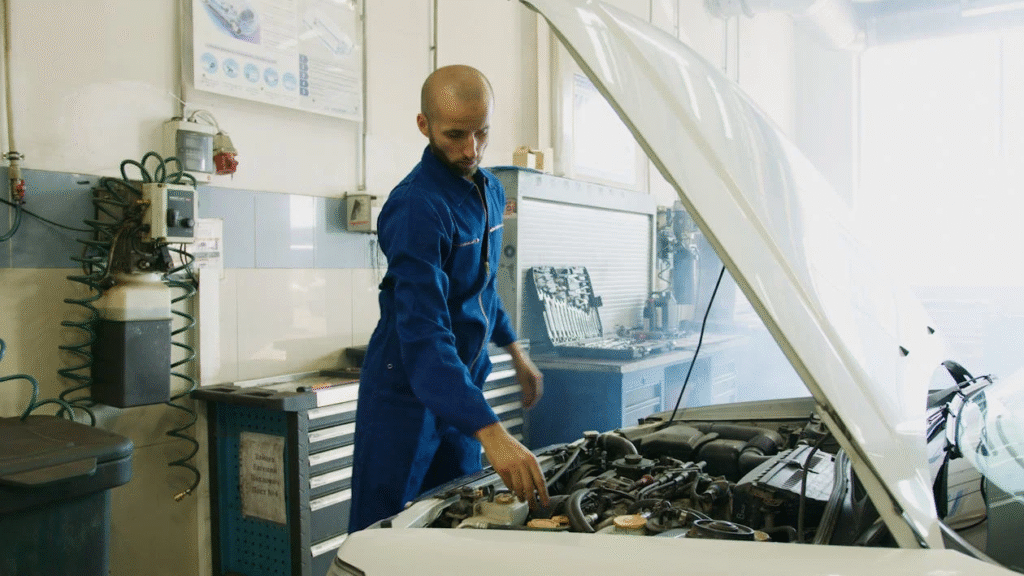
A man in blue overalls repairs a car, focused on the engine under the hood in a garage setting.

Let Telegraph Auto Care Keep You Moving

Transmission trouble doesn’t have to mean the end of the road for your vehicle. With prompt diagnosis, proper maintenance, and experienced technicians, most transmission issues can be fixed without draining your wallet.

At Telegraph Auto Care in Alexandria, VA, we specialize in helping our customers get back on the road with confidence. Whether you need a simple transmission fluid change, expert clutch repair, or a full gearbox rebuild, our skilled team is here to help. With our Nationwide Warranty and commitment to reliable, responsive service at the right price, we’re proud to be the auto repair shop local drivers trust.

Not sure what’s going on with your transmission? Don’t guess. Call us or stop by today for a professional inspection. Let’s catch small problems before they become big ones—because your car deserves world-class care, and so do you.

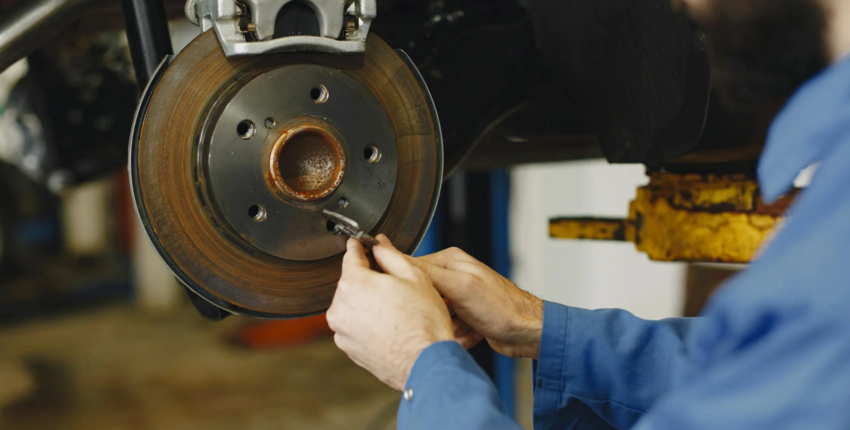
Brake Repair close up image

Brake Repair: How to Keep Your Vehicle Safe on the Road

When it comes to keeping your car safe on the road, few systems are as critical as your brakes. Whether you’re cruising down the highway or navigating busy Alexandria streets, properly functioning brakes can mean the difference between a safe stop and a serious accident. Yet, brake issues are often overlooked until something feels off—or worse, fails entirely.

At Telegraph Auto Care, we believe that understanding your vehicle’s braking system is the first step toward safer driving. In this guide, we’ll explain how your brakes work, signs you might need brake repair, and what you can do to keep them in top shape. Let’s dive into everything you need to know to keep your vehicle—and your passengers—safe.

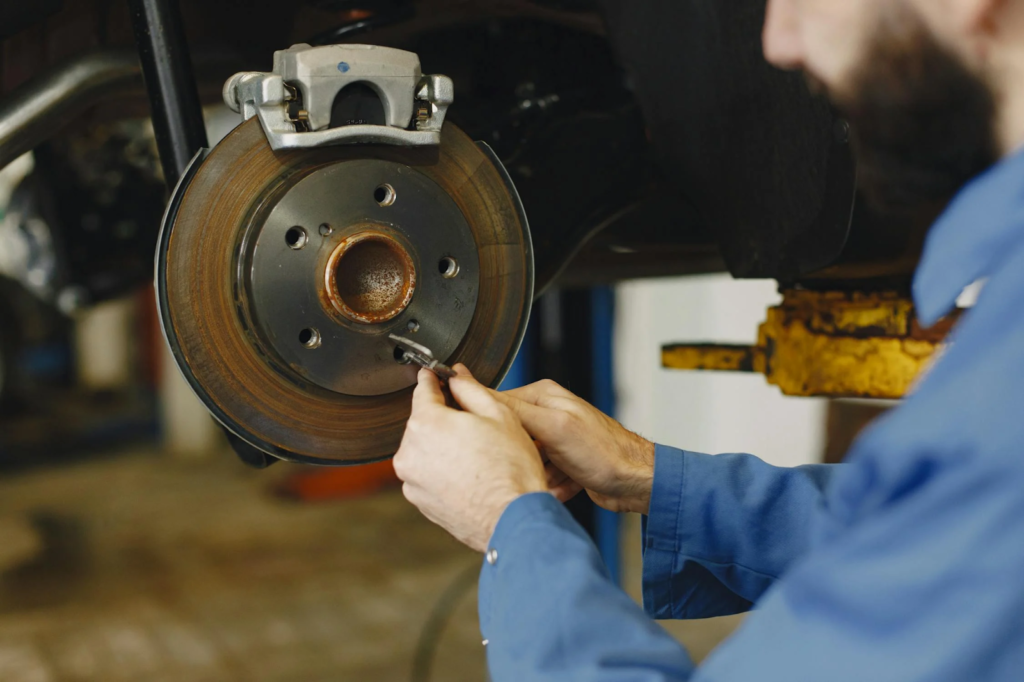
Brake Repair close up image

Why Brake Maintenance Matters

Your brakes aren’t just about convenience—they’re a crucial safety feature. Worn or failing brakes can:

  • Increase your stopping distance
  • Cause your vehicle to pull to one side
  • Lead to accidents
  • Create expensive damage to other parts of your car

Routine brake inspections and timely repairs can prevent these issues and keep your vehicle performing its best.

How Your Braking System Works

Understanding how your brakes function can help you recognize when something isn’t right. Here’s a quick breakdown:

  1. Brake Pedal: When you press it, you activate the braking system.
  2. Master Cylinder: This sends brake fluid through the brake lines.
  3. Brake Lines: These carry pressurized fluid to each wheel.
  4. Calipers (Disc Brakes) or Wheel Cylinders (Drum Brakes): These components press brake pads or shoes against a rotor or drum to create friction.
  5. Brake Pads/Shoes: These wear down over time as they create friction to stop the wheels.
  6. Rotors/Drums: These are connected to your wheels and stop turning as friction is applied.

If any part of this system is worn or malfunctioning, your ability to stop safely can be compromised.

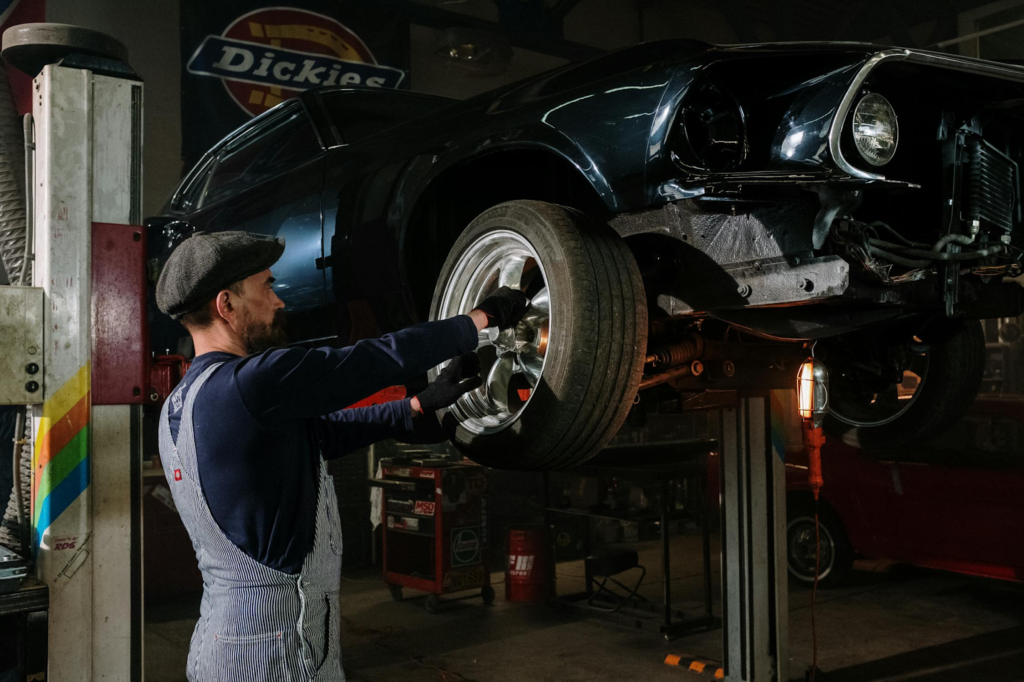
Car wheel fixxing image

Common Signs Your Brakes Need Attention

Brake problems usually don’t appear out of nowhere. There are several warning signs you can watch—and listen—for:

1. Squealing or Grinding Noises

A high-pitched squeal often means your brake pads are worn down and need replacing. Grinding sounds could indicate metal-on-metal contact, which can damage your rotors.

2. Vibration or Pulsation

If your brake pedal shakes when you press it, your rotors might be warped or uneven. This is especially common after heavy braking or high-speed stops.

3. Pulling to One Side

If your vehicle drifts left or right when braking, it could be a sign of a stuck caliper, uneven brake pad wear, or a brake fluid issue.

4. Soft or Spongy Pedal

A brake pedal that sinks too easily or feels soft can signal air in the brake lines or a leak in the brake system—both of which are serious issues.

5. Warning Lights

The brake warning light on your dashboard shouldn’t be ignored. It can indicate anything from low brake fluid to serious hydraulic problems.

How Often Should You Get Your Brakes Checked?

A good rule of thumb is to have your brakes inspected at least once a year or every 12,000 miles—whichever comes first. However, if you notice any of the signs mentioned above, don’t wait for your annual check-up. Brakes are not something to gamble with.

Additionally, if you drive in stop-and-go traffic around Alexandria, or carry heavy loads frequently, your brakes may wear out faster and require more frequent inspections.

What Happens During a Brake Inspection?

At Telegraph Auto Care, we take brake inspections seriously. When you bring your vehicle in, our ASE-certified technicians will:

  • Inspect brake pads and shoes for wear
  • Check rotors and drums for signs of damage
  • Examine brake lines for leaks or corrosion
  • Measure brake fluid levels and quality
  • Test the brake pedal for responsiveness
  • Look for any unusual wear patterns

This comprehensive check allows us to identify potential problems early and recommend the right repairs before they turn into expensive issues.

Brake Repair close up image

Repair or Replace? What Your Brakes Might Need

Depending on what we find during the inspection, your vehicle might need one or more of the following services:

  • Brake Pad Replacement: One of the most common services. Pads typically last 25,000 to 70,000 miles.
  • Rotor Resurfacing or Replacement: If rotors are warped or too thin, they may need to be replaced.
  • Brake Fluid Flush: Brake fluid absorbs moisture over time and should be changed every 2-3 years.
  • Caliper Replacement: If your calipers are sticking or leaking, they’ll need to be replaced.
  • Brake Line Repair: Damaged or corroded lines can compromise the entire system and must be repaired immediately.

No matter what your brakes need, you can count on the team at Telegraph Auto Care to explain everything clearly and get you back on the road safely.

Can You Drive with Worn Brakes?

Technically, yes—but you absolutely shouldn’t. Driving with worn or damaged brakes is like running in shoes with no soles—it might get you a short distance, but it’s dangerous and only going to cause more harm. Delaying brake service can:

  • Lead to more expensive repairs
  • Increase your risk of accidents
  • Void your vehicle warranty
  • Put you and others at serious risk

If you’re ever unsure about your brakes, play it safe and get them checked.

How to Extend the Life of Your Brakes

Want to make your brake components last longer? These simple habits can help:

  • Drive Smoothly: Avoid hard braking whenever possible.
  • Use Engine Braking: Especially on long downhill stretches.
  • Don’t Overload Your Vehicle: Extra weight puts more strain on your brakes.
  • Flush Brake Fluid as Recommended: This helps prevent corrosion and wear.
  • Keep Tires Properly Inflated: This ensures even braking and reduces strain on brake components.

By treating your brakes with care, you can stretch out the time between repairs and keep your ride safer.

Why Choose Telegraph Auto Care for Brake Repair in Alexandria, VA?

At Telegraph Auto Care, we’re more than just your local car service—we’re your neighbors. We know how important trust, transparency, and value are when it comes to auto repair, and that’s what we deliver every time.

Here’s why Alexandria drivers choose us:

  • Reliability: Our skilled, experienced technicians are committed to doing the job right the first time.
  • Responsiveness: We take the time to answer your questions and explain what your vehicle needs in plain English.
  • Right Prices: Quality service doesn’t have to come with a sky-high price tag.
  • TechNet Nationwide Warranty: All qualifying brake services come with a 24-month/24,000-mile warranty—even when you’re more than 25 miles away.

When you come to us for brake repair, we treat your vehicle like it’s our own. Because at Telegraph Auto Care, your safety is our priority—and your satisfaction is our goal.

Stay Safe. Stop Confidently. Choose Telegraph Auto Care.

Don’t wait until it’s too late to address brake problems. If you’ve noticed strange sounds, a soft pedal, or just haven’t had your brakes checked in a while, schedule a brake inspection today.

Call Telegraph Auto Care in Alexandria, VA or stop by to experience reliable service you can trust. Let us keep you safe—one stop at a time.

car ac

How Auto AC and Heating Services Keep Your Vehicle Comfortable Year-Round

car ac

Driving in extreme heat or freezing cold can be uncomfortable. Your car’s air conditioning (AC) and heating system help you stay comfortable. These systems also improve safety. A working AC keeps the car cool in summer. A good heating system keeps it warm in winter. Many people do not think about their AC and heating systems until they stop working. But regular maintenance is important. It helps your system last longer and work better. It also prevents costly repairs. This blog explains how these systems work and why servicing them is necessary.

How Car AC Cools the Air

A car’s AC system removes heat from the inside of the car. It does this by using refrigerant, which is a special cooling fluid. The refrigerant absorbs heat and releases it outside.

The system has several important parts:

  • Compressor: It pumps the refrigerant and moves it through the system.
  • Condenser: It removes heat from the refrigerant and cools it down.
  • Expansion Valve: It reduces the pressure of the refrigerant, making it even colder.
  • Evaporator: It absorbs heat from the air inside the car and makes the air cooler.
  • Blower Motor: It pushes the cool air through the vents into the cabin.

If any of these parts stop working, the AC will not cool properly. For example, if the compressor fails, the AC will blow warm air. If the refrigerant level is low, cooling will be weak.

Why Servicing Your AC and Heating System is Important

ac

1. Stay Comfortable in All Weather

A working AC is necessary for hot weather. It keeps the cabin cool. If the AC is broken, the inside of the car can get very hot. In extreme cases, this can cause heat exhaustion, which makes people feel dizzy and tired. In winter, a working heater is just as important. If the heater does not work, driving in cold weather can be uncomfortable. Cold temperatures can also make it harder to focus while driving. Many people do not know that the AC helps in winter too. It removes moisture from the air. This prevents foggy windows, which can reduce visibility. If the AC is not working, the windows can stay foggy, making it harder to see the road.

2. Prevent Expensive Repairs

Fixing a small problem early can save a lot of money later. If the AC is not cooling properly, it might be a small refrigerant leak. Fixing it early is cheap. But if ignored, the compressor can break. Replacing a compressor is very expensive. A low coolant level in the heating system might seem like a small problem. But if not fixed, it can cause engine overheating, leading to major engine damage. Regular maintenance helps find problems before they get worse. This saves money and avoids sudden breakdowns.

3. Better Air Quality

The AC and heating system filters the air inside the car. They remove dust, pollen, and other particles. This is important for people with allergies or breathing problems. The cabin air filter traps these particles. Over time, the filter gets dirty. If not changed, it can block airflow and let bad smells into the car. If you notice weak airflow or a musty smell, the filter may need to be replaced. A fresh filter improves air quality and makes the AC and heater work better.

4. Save Fuel

A broken AC or heating system can increase fuel usage. If the refrigerant level is low, the compressor must work harder. This puts extra load on the engine. More fuel is used to keep the system running. Driving with open windows instead of a working AC also wastes fuel. Open windows create wind resistance, making the engine work harder. Keeping the AC and heater in good shape helps save money on fuel.

5. Improve Safety

A comfortable temperature inside the car is important for driver focus. If it is too hot, the driver can feel tired and irritated. If it is too cold, the driver may feel stiff and distracted. Foggy windows are another safety risk. A working AC keeps them clear. If the AC is broken, visibility can drop. This increases the risk of accidents. Keeping the system in good condition makes driving safer.

Signs That Your AC or Heating System Needs Repair

A man is focused on fixing a car inside a garage, with various tools visible around him.

You should get your system checked if you notice:

Weak airflow: Air from the vents is weak or uneven. 

Warm air from the AC: The AC is on, but it is not cooling properly. 

Cold air from the heater: The heater is on, but the air is not warm. 

Strange smells: A bad smell comes from the vents. 

Loud noises: The AC or heater makes unusual sounds. 

Leaking fluid: Puddles form under the car (this could be refrigerant or coolant).

If you notice any of these problems, it is best to get the system checked.

How to Maintain Your Car’s AC and Heating System

Taking care of your car’s AC and heating system helps it work properly and prevents expensive repairs. Follow these simple steps to keep it in good condition:

Turn on the AC regularly

Run the AC for 10 minutes once a week, even in cold weather. This keeps the compressor seals from drying out and prevents refrigerant leaks.

Change the cabin air filter

The cabin air filter traps dust and dirt. A clogged filter reduces airflow and makes the air inside your car smell bad. Replace it every 12,000 to 15,000 miles or sooner in dusty areas.

Check refrigerant levels

Low refrigerant makes the AC blow warm air and can damage the compressor. If cooling is weak, a mechanic should check for leaks before refilling it.

Inspect belts and hoses

Belts and hoses carry refrigerant and coolant. Cracks or leaks can cause system failure. Checking them every few months prevents sudden breakdowns.

Flush the coolant system

Dirty coolant can block the heater core, causing weak heating. Flushing it every 30,000 to 50,000 miles keeps the system clean and working well.

Get regular inspections

engine room

A yearly check-up helps find small issues before they become costly repairs. A mechanic will check the compressor, refrigerant, belts, hoses, and filters to keep the system running smoothly.

Reliable Auto AC and Heating Services at Telegraph Auto Care

At Telegraph Auto Care, we know how important a working AC and heating system is. With over 20 years of experience, we provide expert auto repair services in Alexandria, VA. Our ASE-certified technicians specialize in AC and heating system maintenance, diagnostics, and repairs. We offer quick and high-quality service to keep your car comfortable in all seasons. We

use advanced tools to check refrigerant levels, replace cabin air filters, fix heater problems, and more. Our customer-first approach ensures clear communication and honest pricing. We are open Monday to Saturday and offer 24-hour pickup and drop-off services for your convenience. Contact us today or schedule an appointment online. Visit us at 5700 Telegraph Road for the best auto care in town.

Car Mechanic Inspecting Car Engine

How Auto Diagnostics Can Help You Save on Expensive Repairs

Picture this: you’re cruising down the highway, enjoying a smooth ride, when suddenly a light pops up on your dashboard. It’s the dreaded check engine light. Panic sets in. Is it something minor, or are you in for a costly repair? Here’s the good news: with auto diagnostics, you don’t have to guess. This technology provides insights into your car’s “health” and catches problems before they escalate.

In this guide, we’ll explore how car diagnostics work, why they’re essential, and how they can save you time, money, and stress. Whether you’re a seasoned car enthusiast or someone who dreads a trip to the mechanic.

What Are Auto Diagnostics?

Auto diagnostics involve using specialized tools, like an OBD2 scan (On-Board Diagnostics system), to assess your vehicle’s health. This technology reads fault codes generated by your car’s computer, pinpointing issues related to your engine, transmission, brakes, or other critical systems. Modern vehicles are equipped with sophisticated sensors and software, making diagnostic tests an essential part of any comprehensive vehicle inspection.

When your car’s computer detects a problem, it generates a specific fault code, like a distress signal for mechanics. An OBD2 scan tool retrieves these codes, providing detailed information about the issue. For example, if your check engine light is on, a quick scan can tell whether it’s a minor concern or something that needs immediate attention.

Benefits of Auto Diagnostics

1. Save Money on Expensive Repairs

Many car owners view diagnostic services as an unnecessary expense, but they’re a money-saver in disguise. By identifying small issues like weak batteries or misfiring spark plugs early on, diagnostics prevent these minor hiccups from snowballing into costly repairs. For instance, catching an exhaust issue early might save you from a major engine overhaul later, a small fix now means avoiding a big hit to your wallet down the road.

Think of diagnostics as a smart investment in your car’s future. Spending a little on routine auto health checks keeps expensive surprises at bay and ensures your car stays road-ready. It’s not just about saving money—it’s about driving with peace of mind knowing that your vehicle is in top shape.

speedo meter of car

2. Better Mileage

A healthy engine is a fuel-efficient engine. Regular diagnostics can catch issues like a faulty oxygen sensor or clogged fuel injectors that make your car burn through gas faster than it should. Even simple adjustments like correcting tire pressure or fixing wheel alignment can boost your mileage, helping you save money at the pump while keeping your car running smoothly. But the benefits don’t stop there. A well-maintained vehicle isn’t just kind to your wallet—it’s kind to the planet too. With fewer emissions and better fuel economy, diagnostics help you drive cleaner and greener. It’s a win-win for both your budget and the environment!

3. Personal Safety

Your car’s safety systems are your first line of defense on the road, and diagnostics ensure they’re always up to the task. From worn-out brakes to faulty airbags or compromised stability control, regular checks catch potential hazards before they become serious threats. By identifying these issues early, diagnostics help you drive with confidence, knowing that every system is working exactly as it should.

But safety goes beyond electronics. Diagnostics also spot hidden problems in your suspension, steering, and tires, which are crucial for stability and control. By addressing these issues promptly, you’re not only safeguarding yourself and your passengers but also contributing to safer roads for everyone.

4. Improved Vehicle Longevity & Resale Value

By tackling small issues early, you prevent unnecessary wear and tear on key components, ensuring your car stays reliable and road-ready for years. This proactive care helps you get the most out of your investment while minimizing the risk of sudden breakdowns.

Thinking of selling your car down the line? A well-maintained vehicle with a history of routine inspections and diagnostics not only performs better but also holds its value longer. Buyers love a car that’s been cared for, and diagnostics make sure yours stands out as a dependable, trouble-free option.

Close up of american muscle engine

Common Issues Auto Diagnostics Can Detect

Experts recommend scheduling an auto health check at least once a year or whenever you notice unusual behavior, like strange noises, reduced fuel efficiency, or dashboard warning lights. Regular diagnostics are especially important if you’re planning a long road trip or if your car has high mileage.

  1. Engine Performance Problems: Issues like misfires, inefficient fuel consumption, or rough idling can be flagged by engine diagnostics before they lead to significant damage.
  2. Electrical System Failures: Whether it’s a faulty battery, alternator, or wiring, diagnostic tests can quickly locate electrical glitches.
  3. Emissions Issues: Modern cars are equipped with emissions control systems to meet environmental standards. A vehicle inspection can identify problems that may cause your car to fail a state inspection.
  4. Transmission Trouble: An OBD2 scan can reveal transmission-related errors, helping you address the problem before it turns into an expensive rebuild.
  5. Brake System Alerts: Your brakes are critical to safety. Regular diagnostics ensure your ABS system and other brake components are functioning correctly.

Telegraph Auto Care in Alexandria, VA for Car Diagnostics

At Telegraph Auto Care, we understand that your car is a vital part of your daily life. That’s why our skilled technicians provide reliable, responsive service tailored to keep your car running smoothly. With state-of-the-art car scan tools and years of expertise, we catch problems early, saving you time, money, and unnecessary stress. Plus, our commitment to fair pricing ensures you get top-notch care without breaking the bank.

When it comes to auto diagnostics in Alexandria, VA, we aim to be the trusted partner you can count on. Don’t wait for small issues to turn into big headaches, schedule your diagnostic service today and experience the Telegraph Auto Care difference.