
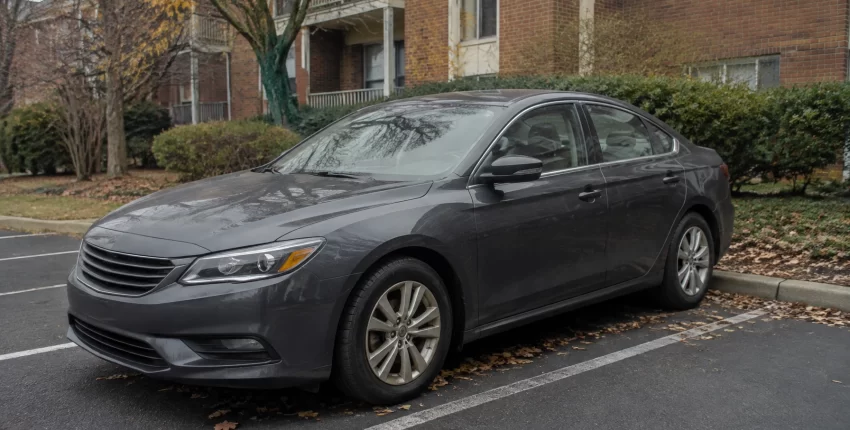
A car doesn’t need to rack up miles to develop problems. Leave it parked for weeks, and its battery keeps powering small systems, moisture can collect on brakes, and the tires remain pressed against the same patch of ground. The longer it sits, the more likely it is that something needs attention before you drive away.
For snowbirds, remote workers, families with a seldom-used second car, or anyone leaving a vehicle behind while traveling, a little planning can help. Here’s what can happen while a car sits, and what to do before storing it, while it’s parked, and when it’s time to get back on the road.
What can happen while a car is parked
The battery loses charge, even when the car is off
Modern cars draw a small amount of power for systems such as alarms, keyless entry, and onboard computers. The battery also loses charge gradually on its own. With no regular drive to replenish that power, a healthy battery can still end up too weak to start the car.
A quick jump-start followed by idling in the driveway isn’t a reliable fix. Idling may not run the alternator long enough or at the right conditions to restore a depleted battery fully. Repeatedly letting a battery run low can also shorten its useful life. A smart battery maintainer, designed to keep a battery charged safely, is a better option for storage. Follow your vehicle and maintainer instructions.
AAA has more advice on parking and storing a car for extended periods. If your battery struggles after sitting, a battery check can help identify whether it needs charging, further testing, or replacement.
Tires can develop flat spots
A parked car’s weight rests on the same areas of its tires. After a while, a tire may feel slightly out of round when you first drive. Sometimes the shape returns as the tire warms during a normal drive; after much longer storage, the change can persist.
Cold conditions make tires less flexible, and tire pressure can fall as temperatures drop. Together, those factors can make a tire’s flat spot more noticeable. Check for low pressure, cracks, bulges, or a thumping vibration before setting off. A vibration that continues after the tires warm up deserves an inspection.
Brake rotors can rust
Moisture on exposed brake rotors can create a thin film of surface rust, sometimes overnight. This flash rust often clears with normal braking after you start driving. Rust that has pitted the rotor is a different matter: it may cause a pulsing feeling through the pedal or steering wheel when braking and may need professional attention.
If a car will be parked for an extended period, its parking brake can sometimes stick, depending on the vehicle and conditions. Check the owner’s manual for storage guidance; if you leave the brake off, use wheel chocks and park on a secure, level surface. Don’t drive if a wheel seems stuck or the brakes feel abnormal.
Fuel ages, especially over longer storage
Gasoline changes with time, and how quickly depends on factors such as fuel formulation, temperature, and storage conditions. Ethanol-blended gasoline can absorb water, and under some conditions water uptake can lead to separation. That doesn’t mean separation is inevitable after a few weeks, but fuel that sits for months may become less dependable.
For longer storage, check your owner’s manual for recommendations about fuel level and stabilizer. A stabilizer must be used as directed, and it needs to be circulated through the fuel system as instructed. For a short absence, avoid adding treatments or making storage changes that aren’t appropriate for your vehicle.
Seals, hoses, and fluids don’t benefit from inactivity
Over time, rubber seals and hoses can age, harden, or crack whether a car is driven or not. Long periods without operation may also mean fluids aren’t circulating and the engine isn’t reaching its normal temperature. That can make existing leaks, brittle hoses, or overdue maintenance easier to miss until the car is used again. Low mileage doesn’t replace the time-based maintenance schedule in your owner’s manual.
A/C and cabin air may need attention
A car’s air-conditioning system doesn’t automatically lose refrigerant just because it sits. Refrigerant loss usually points to a leak or another system issue. Still, after storage, the A/C may need checking if it blows warm air or makes unusual noises.
A musty smell can come from moisture in the cabin or HVAC system, a damp or dirty cabin air filter, or other issues. If the odor lingers or airflow is weak, have it checked rather than masking it with a fragrance.
Rodents may find a quiet place to nest
A parked car can offer shelter from weather and predators. Rodents may nest under the hood or near air intakes, and they can chew wiring, hoses, or insulation. Before starting a car that has sat, look for nesting material, droppings, damaged wiring, and blocked openings. If you find signs of an animal or chewed components, have the vehicle checked before driving.
Short starts can leave moisture in the engine
Combustion produces water vapor. During a brief start, the engine may not stay warm long enough for moisture inside the engine and exhaust to evaporate. Repeatedly starting the car just to let it idle for a few minutes can therefore do less good than you might expect. If you start it, the better choice is a drive long enough to reach normal operating temperature and keep it there, not a brief run in the driveway.
Before you leave the car parked
For a planned absence, these steps can reduce avoidable trouble:
- Wash and dry the car, and remove food or trash from the cabin. Park on a dry, secure surface if possible.
- Check the owner’s manual for storage advice. Make sure the oil and coolant are at the correct levels and address overdue maintenance.
- For a longer stay, ask whether fuel stabilizer is appropriate for your vehicle and follow its instructions.
- If your vehicle’s manual allows it, slightly increase tire pressure for storage, but never exceed the tire’s maximum pressure or ignore the vehicle manufacturer’s guidance. Recheck and reset pressure to the door-jamb recommendation before driving.
- Consider leaving the parking brake off only if it’s safe to do so. Use wheel chocks, and follow the manual’s instructions.
- Use a battery maintainer that matches your battery type and is designed for unattended maintenance. A basic trickle charger may not regulate charging properly; read its instructions and use it only as intended.
- If rodents are a concern, keep the storage area clean and inspect the vehicle periodically. If you block an opening as a deterrent, leave a clear reminder and remove the block before starting the car.
If it will sit only a few weeks
When practical and safe, take the car for a longer drive every couple of weeks rather than repeatedly starting it for a short idle. “Reaching operating temperature” means the engine warms to its normal range and stays there for a meaningful drive, not merely that the temperature gauge begins to move. A drive that includes ordinary road speeds and gives the engine time to warm thoroughly is more useful than a quick loop around the parking area.
If you can’t drive it, don’t improvise with repeated short starts. A battery maintainer is usually the more useful step for protecting battery charge while the car sits. AAA’s guide to caring for an infrequently used vehicle offers additional storage and maintenance tips.
Before driving after weeks of storage
Take a few minutes to look and listen before heading out:
- Check around and under the car. Look for leaks, nesting material, droppings, or signs of chewed wiring and hoses.
- Inspect the tires. Check pressure against the vehicle’s door-jamb label and look for visible damage. Don’t set off with a flat or damaged tire.
- Start the engine and watch for warning lights. If it won’t start, don’t rely on repeated jump-starts or long idling as a substitute for a battery test.
- Test the brakes gently at low speed in a safe place. A brief surface-rust noise may clear, but persistent grinding, pulling, a soft pedal, or pulsing needs attention.
- Check the lights, wipers, and climate controls. Make sure you can see clearly and that the windshield defroster works before driving in poor weather.
- Review maintenance by time as well as mileage. If the car has been stored for months, check the owner’s manual for time-based oil and fluid service.
A car coming out of storage can benefit from a pre-trip inspection, particularly before a longer journey. Telegraph Auto Care offers battery checks, tire services, brake repair, oil changes, engine diagnostics, and heating and A/C repair. If your Virginia state inspection or emissions test is due, both are available on a walk-in basis in Alexandria, VA.
Give a rarely driven car a little attention
A few weeks parked won’t automatically ruin a car, but inactivity can reveal a weak battery, tire flat spots, brake rust, aging fuel, or damage from rodents. A properly chosen battery maintainer and an occasional proper drive, when safe and feasible, help prevent many of the common issues. Before relying on the car again, check it carefully and don’t ignore a change in how it starts, steers, or stops.
If your car is coming out of storage or spends most of its time parked, bring it to Telegraph Auto Care at 5700 Telegraph Road, Alexandria, VA 22303 for a check. Our ASE-certified technicians have more than 20 years of experience, and we’ll explain what we find with upfront pricing. If you can’t drop the vehicle off yourself, ask about our 24-hour pick-up and drop-off service. Contact Telegraph Auto Care to arrange a visit.